 If you are reading this, there is a good chance that something has happened to you, or to someone you love, that left a wound no one can see. You may be living in a state of constant alertness, haunted by memories that feel more real than the present moment, or struggling to understand why you can’t simply “get over it” and move on. What you are experiencing has a name. It has a cause. And most importantly, it has effective treatments.
As a therapist certified in trauma treatment serving the Boca Raton, Florida community, I have dedicated my practice to helping clients reclaim their lives from post-traumatic stress disorder (PTSD). In this article, I will share what PTSD really is, what causes it, and what evidence-based treatments are available, including some powerful options that many people in South Florida have not yet heard of.
Understanding PTSD: More Than Just “Bad Memories”
Post-traumatic stress disorder is a serious mental health condition that develops in some people after experiencing or witnessing a traumatic event. I tell every new client the same thing: PTSD is not a sign of weakness, and it is not “all in your head.” It is a physiological and psychological response rooted in how your brain and nervous system processed, or were unable to process, an overwhelming experience.
According to the American Psychiatric Association, PTSD affects approximately 3.5% of U.S. adults every year, and an estimated one in eleven people will be diagnosed with it in their lifetime. Women are twice as likely as men to develop PTSD. Here in Broward and Palm Beach Counties, where our community has faced its share of trauma from hurricanes, accidents, mass casualty events, other losses, and crime, I see these numbers reflected in my practice every day.
PTSD is diagnosed when symptoms persist for more than one month after a traumatic event and significantly interfere with daily functioning. These symptoms are grouped into four main clusters:
- Intrusion symptoms, including flashbacks, nightmares, and intrusive thoughts that force the traumatic event back into your conscious awareness
- Avoidance, meaning steering clear of people, places, thoughts, or feelings that remind you of the trauma
- Negative changes in mood and cognition, such as persistent negative beliefs about yourself or the world, feelings of blame, emotional numbness, or detachment from others
- Changes in arousal and reactivity, including hypervigilance, exaggerated startle response, irritability, angry outbursts, or difficulty sleeping and concentrating
If you recognize yourself in any of these descriptions, please know that you are not alone, and that effective help is available right here in the Boca Raton area.
What Causes PTSD? Understanding the Roots of Trauma
One of the most common questions I hear from clients is, “Why did I get PTSD when other people who went through the same thing didn’t?” It is such an important question, and the honest answer is that PTSD development is influenced by a complex interplay of biological, psychological, and social factors.
Types of Traumatic Events That Can Lead to PTSD
While no two people respond to trauma in exactly the same way, PTSD can develop following a wide range of experiences, including:
- Military combat and veteran trauma
- Sexual assault, rape, or childhood sexual abuse
- Physical assault or domestic violence
- Serious accidents, including car crashes or workplace injuries
- Natural disasters such as hurricanes, a real concern for residents of South Florida
- Sudden loss of a loved one or witnessing a violent death
- Medical trauma, including life-threatening diagnoses or difficult surgeries
- Childhood neglect or emotional, physical, or psychological abuse
- First responder and emergency medical trauma
Why Some People Develop PTSD and Others Don’t
Research tells us that several factors can increase a person’s vulnerability to developing PTSD after a traumatic event. These include prior trauma history, a personal or family history of anxiety or depression, lack of social support after the event, ongoing stress, and the severity and duration of the trauma itself. Some develop complex PTSD.
From a neurological standpoint, trauma can actually alter the structure and function of the brain, particularly the amygdala (our brain’s alarm system), the hippocampus (which helps process and store memories), and the prefrontal cortex (our center for rational thought and emotional regulation). When these systems are disrupted, the brain can become stuck in survival mode, unable to recognize that the danger has passed. This is not a character flaw. It is biology, and it can be healed.
Evidence-Based PTSD Treatment Options in Boca Raton, FL
The good news, and I emphasize this every day in my practice, is that PTSD is one of the most treatable mental health conditions. With the right therapeutic approach, significant healing is absolutely possible. Below are the most effective treatment options I use and recommend for clients seeking PTSD therapy in Boca Raton and the greater Palm Beach County area.
Cognitive Processing Therapy (CPT)
Cognitive Processing Therapy is a structured, evidence-based treatment that helps you examine and challenge the unhelpful beliefs that trauma has planted in your mind, including beliefs like “It was my fault,” “The world is completely unsafe,” or “I am broken.” Over the course of treatment, I work with you to develop a more balanced and accurate way of thinking about the traumatic event and its impact on your life. Research consistently shows CPT to be highly effective for PTSD across diverse populations.
Prolonged Exposure Therapy (PE)
Prolonged Exposure therapy works on the principle that avoidance, while understandable, actually maintains PTSD symptoms over time. In PE, I guide you through a gradual, carefully paced process of approaching trauma-related memories and situations in a safe therapeutic environment. Over time, this reduces the emotional power those memories hold and allows your nervous system to learn that you can face these thoughts without being overwhelmed.
EMDR: Eye Movement Desensitization and Reprocessing
One of the most transformative therapies I offer clients dealing with PTSD and trauma is Eye Movement Desensitization and Reprocessing, or EMDR. EMDR was developed by psychologist Dr. Francine Shapiro in the late 1980s and has since become one of the most thoroughly researched and validated treatments for PTSD recognized by organizations such as the World Health Organization and the U.S. Department of Veterans Affairs.
EMDR works by engaging the brain’s natural information processing system. During an EMDR session, I guide you to briefly focus on the traumatic memory while simultaneously experiencing bilateral stimulation, most commonly in the form of guided eye movements, taps, or tones. This bilateral stimulation appears to mimic the brain activity that occurs during REM sleep, the stage of sleep during which your brain naturally processes and integrates emotional experiences.
What I find remarkable about EMDR, and what my clients often report, is that traumatic memories that once felt overwhelming and raw begin to feel more distant and manageable, often without requiring the client to talk about the trauma in extensive detail. Many people who come in for trauma therapy find EMDR to be a gentler pathway to healing than they expected. The American Psychological Association recognizes EMDR as a conditionally recommended treatment for PTSD, and the research base behind it continues to grow.
Clinical Hypnotherapy for PTSD and Trauma
Another powerful tool in my trauma treatment practice is clinical hypnotherapy. Let me gently correct a common misconception right away. Clinical hypnotherapy is not stage hypnosis. You will not be made to cluck like a chicken or lose control of your actions. It is a deeply evidence-informed therapeutic technique in which I guide you into a state of focused, relaxed awareness, a state actually quite similar to becoming absorbed in a good book or daydream.
In this heightened state of receptivity, the critical, analytical part of the mind becomes more quiet, allowing therapeutic suggestions and healing imagery to reach deeper levels of the mind where trauma responses are often stored. Clinical hypnotherapy can be particularly useful for clients who find that traditional talk therapy alone is not reaching the root of their PTSD symptoms, or for those who struggle with intense anxiety that makes it difficult to engage with traumatic memories consciously.
Research published in peer-reviewed journals has demonstrated that hypnotherapy can effectively reduce PTSD symptoms including intrusive thoughts, hyperarousal, and emotional distress. I often integrate clinical hypnotherapy with other evidence-based approaches to create a personalized, comprehensive treatment plan for each client. For many of the people I work with, this integrative approach offers a pathway to healing that resonates deeply.
Medication-Assisted Treatment
While therapy is the cornerstone of PTSD treatment, medication can play a supportive role for some individuals. If a client is interested in discussing medication, I will make a referral to a psychiatrist or they can discuss with their primary care physician. For some of my clients, medication has helped them manage symptoms, particularly depression, anxiety, and sleep disturbances, while we do the deeper therapeutic work together.
Taking the First Step: Understanding PTSD Therapy in Boca Raton, Florida
If you have been living with PTSD, whether you were diagnosed recently or have been struggling quietly for years, please hear this: you do not have to keep just surviving. You deserve to truly live.
Reaching out for help can feel like one of the hardest things you will ever do. Trauma has a way of making us feel ashamed, isolated, or convinced that we are beyond help. In my years of practice serving clients throughout Boca Raton, Delray Beach, and the broader Broward and Palm Beach County areas, I have seen people make remarkable progress regardless of how severe their trauma seemed at the start. Healing looks different for everyone, and it rarely happens in a straight line, but it happens.
When you come to my practice, we begin with a thorough and compassionate assessment of your history, your symptoms, and your goals. Together, we design a treatment plan tailored specifically to you, drawing on the most effective, evidence-based tools available while honoring your unique story and pace.
Who Can Benefit from Trauma Therapy?
If you are searching for PTSD therapy or trauma treatment in South Florida, my practice may be a good fit for you if you are:
- A veteran or active-duty military member struggling with combat trauma or military sexual trauma
- A survivor of sexual assault, domestic violence, or childhood abuse
- Someone who experienced a serious accident, medical trauma, or natural disaster
- A first responder dealing with occupational trauma exposure
- A person who has experienced the sudden or traumatic loss of a loved one
- Anyone who recognizes PTSD symptoms in themselves and is ready to begin the healing process
You Are Not Broken: You Are Surviving, And You Can Thrive
PTSD is not your fault. Your brain did exactly what it was designed to do in the face of overwhelming danger. It tried to protect you. The problem is that it got stuck. And just as the brain can get stuck in trauma, it can also heal. Neuroplasticity, the brain’s remarkable ability to form new neural pathways, means that recovery from PTSD is not just possible. It is your brain’s natural inclination when given the right support.
Whether you are exploring EMDR therapy, looking for a certified trauma therapist in Palm Beach County, or simply trying to understand what has been happening to you, I hope this article has offered you something useful: information, hope, and the reassurance that effective help exists close to home.
Healing is not a destination you arrive at all at once. It is a path, walked one step at a time. Many of my clients have come to me doubting whether they could heal from trauma, and many of those same clients today would tell you that real healing is possible.
Reach out today to schedule a confidential consultation. My practice is conveniently located to serve clients in Boca Raton, Delray Beach, Parkland, Pompano Beach, and surrounding Broward and Palm Beach County communities. Taking that first step, even just making the call, is an act of courage and self-compassion. I am here when you are ready.
Meet the Therapist

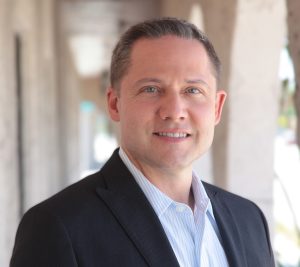
 Jody Morgan, LCSW, CCTP is the founder of the Morgan Center for Counseling and Wellbeing in Boca Raton. He is a compassionate psychotherapist dedicated to helping individuals grow and heal. With extensive training and certifications, Jody specializes in trauma-focused treatments, including EMDR therapy. He offers telehealth therapy in the State of Florida.
- Licensed Clinical Social Worker (LCSW)
- Certified Clinical Trauma Professional
- EMDR Certified
- Advanced Clinical Heart-Centered Hypnotherapist
- Certificate in Integral Breath Therapy (Integration Concepts)
At Morgan Center, Jody Morgan provides private psychotherapy services that lead to lasting relief, including PTSD treatment. His experience and evidence-based techniques help clients overcome the effects of grief, trauma, and anxiety, and achieve meaningful change. He has helped clients break free from the effects of trauma. Treatment services are tailored to meet the specific needs of individuals affected by these issues, offering emotional support and guidance throughout the process.