 LCSW vs LMHC? One of the more common questions people have about mental health care is why there are so many different letters after a therapist’s name. Many people assume there’s no real difference between an LCSW and an LMHC, but that isn’t quite true. So what actually separates a Licensed Clinical Social Worker (LCSW) from a Licensed Mental Health Counselor (LMHC)?
This article explains both licenses, what sets them apart, and how each approach might look with a hypothetical client. Both roles require a master’s degree: an LCSW earns a master’s in social work, while an LMHC earns a master’s in counseling or a closely related field.
Education and Requirements – LCSW vs LMHC
Becoming a licensed mental health counselor or a licensed clinical social worker takes a real commitment to education, training, and hands-on experience. Both professions start with a master’s degree; LMHCs typically pursue a master’s in counseling, while LCSWs complete a master’s in social work. This foundational education equips future clinicians with the knowledge and skills to provide counseling and support individuals, families, and communities.
After graduate school, both LMHCs and LCSWs need supervised experience before they can practice independently. LMHCs generally complete 2 to 3 years of post-graduate supervised work with clients. LCSWs complete a similar period, at least 2 years, but specifically under the supervision of a licensed clinical social worker. This period lets new clinicians build real counseling skills, learn to understand client needs, and develop the judgment that comes with practice.
Both must then pass a state licensure exam demonstrating competence in their field, and both must complete ongoing continuing education to maintain their license and stay current with best practices.
Differences Between LCSW and LMHC in Counseling
While an LCSW and an LMHC do much of the same work day to day, the underlying training and philosophy differ. An LCSW’s graduate education is rooted in social work, which tends to bring a broader, more systems-oriented lens; an LMHC’s education is rooted in counseling, with a more concentrated focus on psychological and therapeutic technique from the start.
To make this concrete, consider a hypothetical client. Greg is a single, middle-aged man working for a shipping company who starts therapy because he’s experiencing depressive episodes. How an LCSW and an LMHC each approach the question “why is Greg feeling depressed?” reflects two related but distinct lenses.
How a Licensed Clinical Social Worker Approaches Care
A licensed clinical social worker tends to take a holistic approach, looking at the whole picture of a client’s life alongside their internal experience. The goal is helping someone connect with the resources they need to reach their own therapy goals, and LCSWs work collaboratively with clients to define what those goals actually are.
That often means looking at both internal resources (personal strengths, coping skills, work skills) and external resources (community support, family, financial stability). An LCSW tends to view someone’s personal, economic, social, and home life together, focusing on strengthening a person’s existing resources to help them work through what’s in front of them. An LCSW also attends to psychological factors directly when they’re relevant, reflecting what’s known as a Person-in-Environment (PIE) approach: understanding behavior not in isolation, but holistically, through psychological, social, cultural, and spiritual factors.
For Greg, this might mean exploring not just his mood but his work stress, his social support, and whether practical resources might ease some of what’s weighing on him, alongside the therapeutic work itself.
How a Licensed Mental Health Counselor Approaches Care
A licensed mental health counselor brings a more concentrated clinical focus, centering the work on helping people manage mental health symptoms directly. LMHCs draw on evidence-based approaches like cognitive-behavioral therapy, talk therapy, and psychodynamic work to address depression, anxiety, trauma, and other concerns, with treatment plans built around each client’s specific needs and goals.
LMHCs also help clients build practical coping skills and connect with community resources when relevant, but the center of gravity tends to be the psychological work itself, more concentrated than the broader Person-in-Environment lens an LCSW brings. Some LMHCs specialize further, in areas like family therapy or crisis intervention.
For Greg, an LMHC might focus more directly on the thought patterns and behaviors feeding his depression, working through structured, symptom-focused interventions.
In practice, the line between the two is often less sharp than the licensing categories suggest. Both LCSWs and LMHCs treat real mental health conditions, and many clinicians in both licenses blend approaches based on what a client actually needs.
Which One Is Right for You?
If you’re trying to decide whether an LCSW or an LMHC is the better fit, the honest answer is that the license itself matters less than the individual clinician: their training, their approach, and whether you feel understood by them. The best way to find out is usually just talking with one directly.
I’m an LCSW practicing in Boca Raton, and I use an integrative, client-centered approach that draws on EMDR, clinical hypnotherapy, cognitive behavioral therapy, and breathwork, depending on what fits the person in front of me. If you’re curious how the two licenses compare to a third common credential, you might also find it helpful to read about the difference between an LCSW and a psychologist.
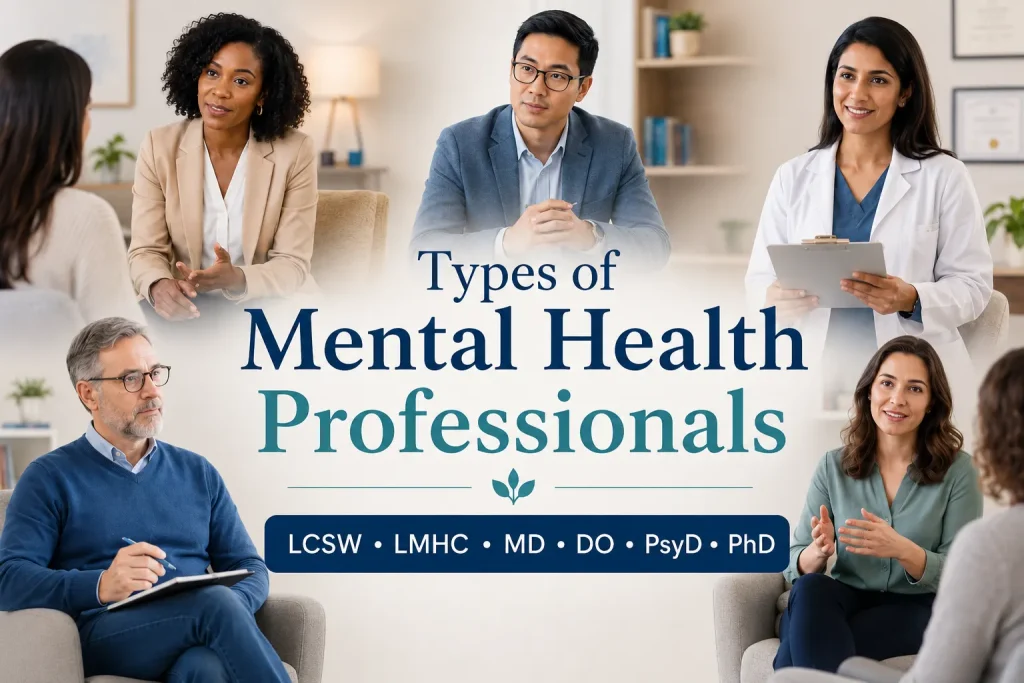
If you’re ready to talk with someone, I’d be glad to hear what’s going on and help you figure out the right next step. Call (561) 717-2900 or schedule a session online. Also, you can read about other types of mental health professionals in our companion article.
Meet the Therapist

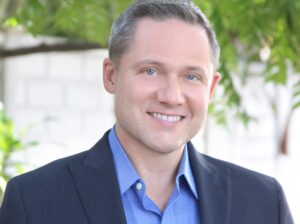
 Jody Morgan, LCSW, CCTP is the founder of the Morgan Center for Counseling and Wellbeing in Boca Raton. He is a compassionate psychotherapist dedicated to helping individuals grow and heal, using evidence-based approaches including EMDR, clinical hypnotherapy, CBT, and breathwork to help clients work through trauma, anxiety, depression, and grief. He offers telehealth therapy in the State of Florida.
- Licensed Clinical Social Worker (LCSW)
- Certified Clinical Trauma Professional
- EMDR Certified
- Advanced Clinical Heart-Centered Hypnotherapist
- Member, Florida Society of Clinical Hypnosis
- Certificate in Integral Breath Therapy (Integration Concepts)
At Morgan Center, Jody Morgan provides private psychotherapy services that lead to lasting relief. His experience and evidence-based techniques help clients overcome the effects of grief, trauma, and anxiety, and achieve meaningful change. He has helped clients break free from the effects of trauma. Treatment services are tailored to meet the specific needs of each client.