 In my years of practice, I’ve noticed that a lot of people arrive at therapy only after a long stretch of talking themselves out of it. They sensed it might help, but something held them back. If you’ve been circling the idea of counseling without quite reaching out, you’re in good company, and the hesitation usually has less to do with you and more to do with a handful of common, very understandable beliefs about what therapy is.
I want to walk through the ones I hear most often, not to talk you into anything, but because seeing these beliefs clearly sometimes loosens their grip.
“Therapy is for people who are weak.”
This one runs deep, and it’s worth saying plainly: it isn’t true. We weren’t built to carry everything alone. Reaching out for help when you’re struggling takes more courage than white-knuckling through it does, not less. Most of the people I work with describe the decision to come in as one of the harder and braver things they’ve done. There’s nothing weak about wanting support and being willing to look honestly at your own life.
“My problems aren’t big enough to bother with.”
You don’t need a crisis to deserve help. Some of the most meaningful work I do is with people whose lives look fine from the outside but who feel stuck, flat, or quietly unhappy in ways they can’t quite name. The things we dismiss as too small are often exactly the things holding us back, and a fresh perspective on them can open up possibilities you didn’t know were there. Therapy isn’t only for emergencies. It’s also for getting unstuck.
“I’d rather just talk to a friend.”
Friends and family matter enormously, and a good support system is part of a healthy life. But there are things that are genuinely hard to say to the people closest to you, sometimes because they’re part of the situation, sometimes because you don’t want to worry them or color how they see you. A therapist is outside all of that. My job is to stay objective, to help you make sense of difficult feelings without steering you toward what I’d do, and to hold whatever you bring without judgment. That’s a different kind of space than even the best friendship can offer.
“Talking can’t really change anything.”
I understand the doubt. But talking with someone trained to listen and respond, in a space that’s genuinely nonjudgmental, does more than venting to the air ever could. And therapy is rarely just talking. Much of my work draws on practical, evidence-based approaches, including EMDR for trauma, cognitive behavioral therapy for the thought patterns that keep us stuck, and clinical hypnotherapy. These reach things that talking alone sometimes can’t, and they give you tools you keep using long after we’re done.
“I don’t want to badmouth people I love.”
Therapy isn’t gossip, and it isn’t about assigning blame. When we talk about the people in your life, including spouses and family, the focus stays on you, on how their words and actions land for you and what your own reactions tell us. Relationships are complicated, and it’s possible to love someone and still struggle with how they treat you. Naming that out loud isn’t disloyal. It’s how you start to understand your part and find a steadier way forward.
If You’re Still on the Fence
Ambivalence about therapy is normal, and you don’t have to resolve it before reaching out. You can come in with your doubts intact. A first conversation is just that, a chance to see how it feels and ask whatever you want to ask, with no obligation to continue. If any of the hesitations above have been quietly keeping you from getting support that could help, that’s worth paying attention to.
If you’re in the Boca Raton area and have been thinking about counseling, I’d be glad to hear from you. We’ll start wherever you are. To schedule a consultation, contact Morgan Center for Counseling and Wellbeing or call 561-717-2900.
Meet the Therapist

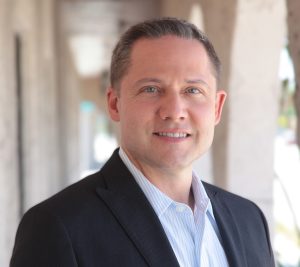
 Jody Morgan, LCSW, CCTP is the founder of the Morgan Center for Counseling and Wellbeing in Boca Raton. He is a compassionate psychotherapist dedicated to helping individuals grow and heal, using evidence-based approaches including CBT, EMDR, and clinical hypnotherapy to help clients work through anxiety, depression, grief, and the lasting effects of trauma. He offers telehealth therapy in the State of Florida.
- Licensed Clinical Social Worker (LCSW)
- Certified Clinical Trauma Professional
- EMDR Certified
- Advanced Clinical Heart-Centered Hypnotherapist
- Member, Florida Society of Clinical Hypnosis
- Certificate in Integral Breath Therapy (Integration Concepts)
At Morgan Center, Jody Morgan provides private psychotherapy services that lead to lasting relief. His experience and evidence-based techniques help clients overcome the effects of grief, trauma, and anxiety, and achieve meaningful change. Treatment services are tailored to meet the specific needs of each client, offering emotional support and guidance throughout the process.