 If you’re interested in West Boca Raton Counseling, you probably have some general questions. One of the more common questions people have regarding mental health professionals is why there are different licenses. Many mental health professionals and patients often contend that there are no significant differences between practices, yet that simply isn’t true. So what is the main difference between a Licensed Clinical Social Worker (LCSW) and a Licensed Mental Health Counselor (LMHC)?
This article explains these licenses and what sets one apart from the other. It will also outline some of the fundamental differences in how an LCSW and an LMHC would approach handling a plausible scenario with a specific patient. Both LCSW and LMHC roles require a master’s degree— for instance, an LCSW requires a master’s degree in social work whereas an LMHC requires a master’s degree in counseling.
Education and Requirements
Becoming a licensed mental health counselor or a licensed clinical social worker requires a significant commitment to education, training, and hands-on experience. Both professions start with earning a master’s degree—LMHCs typically pursue a master’s in counseling or a closely related field, while LCSWs complete a master’s degree in social work. This foundational education equips future mental health professionals with the knowledge and skills needed to provide counseling services and support individuals, families, and communities.
After completing their graduate programs, both licensed mental health counselors and licensed clinical social workers must gain supervised experience. For LMHCs, this usually means 2-3 years of post-graduate supervised experience, working directly with clients under the guidance of a qualified supervisor. LCSWs also need at least 2 years of supervised experience, but their training is specifically overseen by a licensed clinical social worker. This period allows new counselors and social workers to develop their counseling techniques, understand client needs, and learn how to provide effective mental health services.
To pursue licensure, candidates must pass a state-specific licensure exam, demonstrating their competence in mental health counseling or social work. Once licensed, both LMHCs and LCSWs are required to complete continuing education to stay current with best practices and maintain their credentials. This ongoing training ensures that mental health counselors and social workers are prepared to address a wide range of mental health issues and provide counseling services that meet the needs of their communities.
Differences Between LCSW and LMHC in Counseling
Although the functions of an LCSW and an LMHC are similar in numerous ways, there are many differences between the two. First, the educational requirements for both types of counselors vary greatly. Both paths require an undergraduate degree in a related field, such as psychology or sociology, before pursuing further education. For instance, an LCSW requires completion of a master’s program in social work whereas an LMHC requires a master’s program in counseling.
As a result, the underlying philosophy with which either type of mental health professional works from will rarely be the same. Furthermore, an LCSW must accumulate a certain number of supervised clinical hours, typically a minimum of 2 years of supervised experience specifically under a qualified supervising LCSW, whereas an LMHC may be licensed after training under supervision from mental health specialties differing from their own.
To better understand the differences between an LCSW and an LMHC, I’ll present a hypothetical scenario with a patient. Greg is a single, middle-aged man who works for a shipping company. He begins therapy because he is experiencing depressive episodes. The approaches taken by each mental health professional to answer the question, “Why is Greg feeling depressed?” will be rooted in two fundamentally different philosophies.
Approach of Licensed Clinical Social Workers
A licensed clinical social worker takes a more holistic counseling approach. The goal of LCSWs is to connect someone with the resources he or she requires in order to obtain their personal goals in therapy. Goal setting is a crucial part of the therapeutic process, and LCSWs collaborate closely with clients to define and achieve the client’s goals, ensuring that treatment plans are tailored to each individual’s aspirations. Generally, a licensed clinical social worker will look at strengthening a client’s resources, which could be either internal or external. Internal resources include personal factors, such as work skills and emotional strengths, while external resources include supporting factors, such as community support and assistance. In other words, LCSWs view personal, economic, societal, home, career, and other areas together and focus on empowering a person’s strengths to overcome obstacles. However, an LCSW will also attend to psychological and social development factors if relevant in regard to any client.
Approach of Licensed Mental Health Counselors
Licensed mental health counselors bring a specialized focus to mental health counseling, centering their work on helping individuals and families manage mental health issues and improve overall well-being. LMHCs use a variety of evidence-based therapeutic techniques, such as talk therapy, cognitive-behavioral therapy, and psychodynamic therapy, to address concerns like depression, anxiety, trauma, and other mental illnesses. Their approach is highly individualized, with treatment plans tailored to each client’s unique needs and goals.
In addition to providing counseling services, mental health counselors help clients develop practical coping skills and connect them with valuable community resources. Whether working in private practice, hospitals, clinics, or community organizations, LMHCs are dedicated to supporting clients through life’s challenges and empowering them to make positive changes. Some LMHCs may also specialize in areas such as family therapy, substance abuse counseling, or crisis intervention, further expanding the range of services they offer.
While licensed clinical social workers often incorporate social services and case management into their practice, licensed mental health counselors focus primarily on the psychological aspects of care. Both types of mental health professionals play essential roles in treating mental illness and supporting clients and families, often collaborating to provide comprehensive, holistic care. By understanding the unique approach of licensed mental health counselors, individuals can make informed decisions about which mental health professional best aligns with their needs and goals.
Finding Counseling in West Boca Raton
If you’re looking for West Boca Raton counseling and are unsure if an LCSW or an LMHC is more appropriate for you, don’t fret. Making the decision to begin counseling is a powerful start and speaking directly with a therapist in Boca Raton is a great way to answer any concerns you might have. At Morgan Center, we take an integrative, patient-centered counseling approach with various psychotherapy modalities available. Each client is given an effective chance to tackle their therapy goals in a peaceful setting with a compassionate counselor. Contact a counselor today to learn more about how we can help with guiding you towards self-discovery and, ultimately, personal wellbeing.
West Boca Raton Counseling
If you’re already prepared to begin scheduling a session and are looking for mental health counseling in West Boca Raton, consider making an appointment with us at Morgan Center for Counseling and Wellbeing.
Meet the Therapist

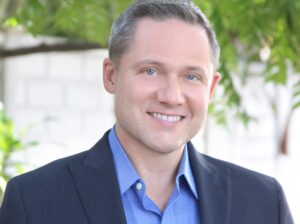
Jody Morgan, LCSW, CCTP is the founder of the Morgan Center for Counseling and Wellbeing in Boca Raton. He is a compassionate Boca Raton psychotherapist dedicated to helping individuals grow and heal. With extensive training and certifications, Jody specializes in trauma-focused treatments, including focusing on related anxiety, depression, and grief. He works with clients who want to learn how to manage anxiety and grief.
- Licensed Clinical Social Worker (LCSW)
- Certified Clinical Trauma Professional
- EMDR Certified
- Advanced Certificate in Heart-Centered Clinical Hypnotherapy
- Certificate in Inetrgral Breath Therapy (Integration Concepts)
At Morgan Center, Jody Morgan provides private psychotherapy services that lead to lasting relief. His experience and evidence-based techniques help clients overcome the effects of grief, trauma, anxiety and to achieve meaningful change. He has helped countless clients who have experenced childhood trauma learn to manage anxiety, depression, and to break free from the effects of trauma. Our treatment services are tailored to meet the specific needs of individuals affected by these issues, offering emotional support and guidance.
Find Us On: Facebook | X | BlueSky