


 If you have found your way to this page, there is a good chance you are wrestling with something that can be hard to put into words. Maybe you have started to question beliefs you once held without doubt. Maybe you no longer fit comfortably within a faith or community that once felt like home. Maybe you are carrying wounds from a religious environment that left you feeling ashamed, unworthy, or alone. Whatever brought you here, I want to say this first: what you are feeling is real, it deserves to be heard, and you are not alone in it.
As a trauma therapist serving the Boca Raton area, I work with people navigating exactly this kind of struggle. It is an area of work that is often misunderstood or minimized, even though the pain involved can run as deep as any other trauma I see. This article is my attempt to offer some understanding, some validation, and some hope.
What Religious Trauma Is
Religious trauma is the lasting emotional and psychological harm that can come from religious or spiritual experiences — experiences that left a person feeling unsafe, controlled, shamed, or rejected. It is not a formal diagnosis, and I want to be clear that I approach this work through the lens of trauma-informed care rather than any rigid label. What matters is not fitting your experience into a category. What matters is understanding what happened to you and how it has affected your life.
I also want to draw an important distinction. Religious trauma is not the same thing as religion itself. Faith brings many people comfort, meaning, and community. The harm I am describing comes from specific experiences — within institutions, within communities, and very often within families — where a person did not feel safe, accepted, or supported. Some of the people I work with leave their faith entirely. Some rebuild it in a way that feels more authentic to them. Some hold onto their beliefs while grieving how a community treated them. There is no single right path, and my role is never to tell you what to believe.
How It Tends to Show Up
Religious trauma rarely announces itself by name. More often, people come to me struggling with feelings they have not yet connected to their religious experiences. You may recognize some of these:
- Questions about your own worth — a deep sense that you are not good enough, not acceptable, or somehow fundamentally flawed
- Difficulty trusting yourself or others, especially people in positions of authority
- Shame that surfaces when you question, doubt, or step outside of what you were taught
- Anger — sometimes intense, sometimes confusing, often directed inward as much as outward
- A sense of loss or grief, as though you are mourning something even if you cannot quite name it
- Tension, estrangement, or distance from family and community
- Feeling caught between who you were told to be and who you are coming to understand yourself to be
These are not symptoms to diagnose yourself with. They are simply common threads I see in the people I work with — and naming them can sometimes be the first step toward understanding your own experience.
Questioning, Doubt, and the Struggle to Belong
In my experience, religious trauma is very often tied to questions of self-worth, self-esteem, community, and family — questions that surface when someone begins to feel that they no longer fit within a particular belief system, or that they can no longer hold beliefs they once accepted without question.
This is rarely a clean or simple process. Beginning to question your faith, to sit with doubt, to explore what you actually believe — this can be frightening, especially when you have not felt safe, accepted, or supported in doing so. Many people describe a profound internal struggle as they try to come to terms with what they believe and how they want to live.
And that internal struggle rarely stays internal. Often it creates real tension with family and community. Some people experience estrangement or alienation from the people they are closest to. The very relationships that might offer comfort can become sources of pain. When that happens, what began as a personal exploration can deepen into something more genuinely traumatic.
Why the Response of Others Matters So Much
Here is something I have come to believe through this work: how a person moves through this kind of transition depends enormously on the response of the people they trust.
When someone questioning their faith is met with acceptance and love — even by people who do not share their conclusions — the transition, while still difficult, can lead to real growth.
This is part of why a safe and nonjudgmental space matters so much. For many people, therapy becomes the first place they can speak honestly about their doubts, their anger, their grief, and their questions — without fear of being rejected for it. Sometimes that space is the thing that allows the rest of the healing to begin.
The Wounds That Need Tending
The specific wounds vary from person to person, but a few come up again and again.
Self-worth. When a belief system has tied your value to your obedience, your purity, or your acceptance by a community, stepping outside of it can leave you feeling worthless. Part of the work is reclaiming the understanding that your worth was never something you had to earn.
Identity. When your sense of who you are has been defined by a religious role or community, questioning it can feel like losing yourself. Many people describe not knowing who they are without the framework they grew up in. Rebuilding a sense of self — one that is genuinely yours — is slow but real work.
Trust. Betrayal by a religious authority or community can make it hard to trust anyone, including yourself. Learning to trust your own judgment again, and to let safe people in, is often central to healing.
Anger and grief. Anger is a natural and healthy response to having been hurt, and it deserves to be felt rather than suppressed. So does grief. Leaving or reexamining a faith can carry a sense of loss much like any other — the loss of community, of certainty, of a version of the future you once imagined. This can feel like a roller coaster of emotions, and every one of them deserves to be heard and respected.
How Therapy Can Help
Healing from religious trauma is not about reaching a particular conclusion about faith. It is about understanding your experience, processing the pain, and reclaiming your sense of self-worth and your right to make your own choices.
I approach this work through trauma-informed care, which simply means I understand that what you experienced was real, that your responses to it make sense, and that healing happens in an environment of safety and trust rather than pressure. Depending on what you are carrying and what feels right for you, that work might draw on several approaches I use in my practice — including cognitive-behavioral approaches for the rigid, all-or-nothing thinking that controlling environments often instill, EMDR for processing traumatic experiences, and clinical hypnotherapy where it fits. But the specific method matters less than the foundation: a relationship in which you feel safe enough to be honest.
Much of the healing happens simply through having a space where you can explore your faith, your doubts, and their impact on your life without being judged for any of it. For many people, that experience — being heard and respected exactly as they are — is something they have never had before.
This Is Your Journey, Not Mine to Direct
I want to be as clear as I can about this: my work is not to tell you what to believe, to talk you out of your faith, or to talk you into leaving it. Religious trauma happens within institutions and within families, and the path through it belongs to you. Some of the people I work with find their way back to a faith that feels more authentic. Some find meaning entirely outside of religion. Most are somewhere in between, and all of those paths are worthy of respect.
What I offer is support as you come to understand your own experience, heal from what hurt you, and reclaim your sense of worth and agency. You get to decide what you believe. My job is to walk alongside you while you figure that out, at your own pace, in a space where you are safe to be honest.
You Deserve to Be Heard
If any of this resonates with you, please know that support is available and that what you are going through is worthy of care. You do not have to make sense of it alone, and you do not have to have it all figured out before reaching out. Wherever you are in your questioning, your grief, or your healing, you deserve a space where you can speak honestly and be met with acceptance rather than judgment.
If you are in the Boca Raton area, or anywhere else in Florida and would like to talk, I would be glad to hear from you. Reaching out can feel like a hard first step, but it is one you do not have to take alone.
Meet the Therapist

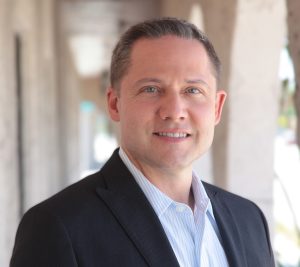
 Jody Morgan, LCSW, CCTP is the founder of the Morgan Center for Counseling and Wellbeing in Boca Raton. He is a compassionate psychotherapist dedicated to helping individuals grow and heal. With extensive training and certifications, Jody specializes in trauma-focused, trauma-informed care, helping clients work through anxiety, depression, grief, and the lasting effects of difficult life experiences.
- Licensed Clinical Social Worker (LCSW)
- Certified Clinical Trauma Professional
- EMDR Certified
- Advanced Clinical Heart-Centered Hypnotherapist
- Member, Florida Society of Clinical Hypnosis
- Certificate in Integral Breath Therapy (Integration Concepts)
At Morgan Center, Jody Morgan provides private psychotherapy services that lead to lasting relief. His experience and evidence-based techniques help clients overcome the effects of grief, trauma, and anxiety, and achieve meaningful change. Treatment services are tailored to meet the specific needs of each client, offering emotional support and guidance throughout the process. Morgan Center offers convenient telehealth appointments for those located anywhere in Florida.